Readers have always been enthralled with animal stories, especially those that centre on themes of redemption and rescue. These stories are not just enjoyable to read, but they also include important lessons about love’s transformational power, compassion, and perseverance. Children and adults alike find great resonance in the idea of second chances, which is frequently emphasised in these tales. It provides a window into the prospect of rejuvenation and inspires hope that every living thing is deserving of a second shot.
The Emotional Connection
The emotional bond that second-chance animal stories create between the reader and the animal character is one of the things that makes them so captivating. These stories pique readers’ interest by appealing to their natural empathy, whether it’s about a stray dog finding a new home, a mistreated horse discovering kindness, or a wild animal receiving rehabilitation. Readers can relate to the animal’s path from adversity to happiness since it parallels their own experiences with adversity and healing.
Lessons in Compassion
These tales are also excellent teaching resources for compassion. By drawing attention to the suffering of animals in need of rescue, they inspire readers—especially young ones—to grow compassionate towards all living things. A youngster learns the value of treating all animals with care and respect when they reads about an animal overcoming hardship thanks to the generosity of others. This lesson frequently carries over into real-world interactions, impacting how students relate to people and animals in their own lives.
The Power of Redemption
Animal stories have a strong emotional resonance with the notion of redemption. These stories frequently include animals that have experienced abuse, neglect, or abandonment yet manage to regain trust and love. Not only is this redemption storyline inspiring, but it also serves as a reminder that change is achievable. It serves as a reminder to readers that even in the most trying situations, there is always hope for a brighter tomorrow. These tales have a special power on kids since they impart lessons about forgiveness, resiliency, and the value of giving people and animals a second opportunity.
Cultural and Historical Significance
Animal stories often contain themes of rescue and atonement, which are not exclusive to any one culture or historical period. Animals have frequently been utilised as symbols of innocence, resilience, and purity in literature, ranging from folk tales from antiquity to the present day. Our perspective of the relationship between humans and animals has been shaped by tales like Black Beauty, Charlotte’s Web, and The Incredible Journey, which highlight the value of compassion and the moral obligation to care for those who are unable to care for themselves.
Conclusion
Readers are drawn to rescue and redemption stories because they give them a feeling of regeneration and optimism. They serve as a reminder that everyone is deserving of a second shot and that even the most broken people may find happiness with the right love and care. These tales inspire and amuse us while imparting important lessons about compassion, empathy, and the transformational power of kindness. Animal tales of second chances offer a reassuring reminder that better days are always possible in a world where sorrow and adversity are all too familiar.
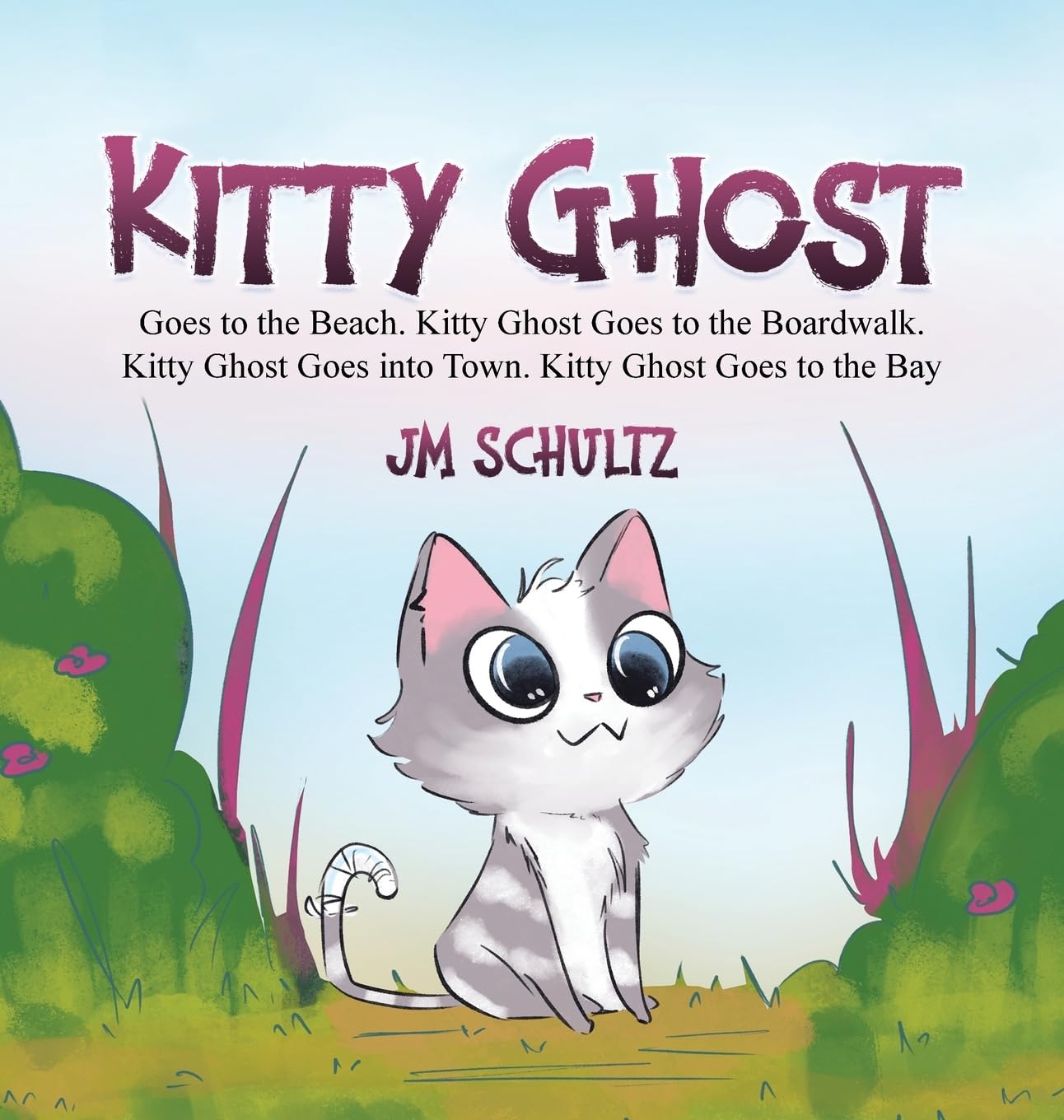
Discover the heartwarming tale of Kitty Ghost by JM Schultz, where the magic of second chances comes to life. This enchanting story beautifully captures the essence of rescue and redemption as a lost kitty finds new hope and a place to belong. Perfect for readers young and old, Kitty Ghost reminds us that everyone deserves a fresh start and that love can transform even the loneliest souls. Dive into this touching narrative that celebrates the power of kindness and the enduring appeal of second chances. Get your copy of Kitty Ghost today from this link: https://www.amazon.com/dp/1916964494!